%2Ffit-in%2F250x250%2Fguide_websites%2F19866%2Fimages%2F1732716291744hooked.png&w=1920&q=100)
/users/1175d6b6-ebdd-47c6-9109-bb140b565d46/ratecard/199850203_114131340891683_3795413935642770807_n.jpg)
%2F300x300%2Fusers%2F1175d6b6-ebdd-47c6-9109-bb140b565d46%2Fratecard%2F199850203_114131340891683_3795413935642770807_n.jpg&w=256&q=75)
%2F300x300%2Fusers%2F1175d6b6-ebdd-47c6-9109-bb140b565d46%2Fimages%2F22-inch-sea-trout-keystone-2466.png&w=256&q=75)
%2F300x300%2Fusers%2F1175d6b6-ebdd-47c6-9109-bb140b565d46%2Fimages%2Ffishing-keystone-2550.jpg&w=256&q=75)
%2F300x300%2Fusers%2F1175d6b6-ebdd-47c6-9109-bb140b565d46%2Fimages%2Fcouple-fishing-in-ar-2783.jpg&w=256&q=75)
%2F300x300%2Fusers%2F1175d6b6-ebdd-47c6-9109-bb140b565d46%2Fimages%2Fsuccessful-fishing-trip-arkansas-2718.jpg&w=256&q=75)
%2F300x300%2Fusers%2F1175d6b6-ebdd-47c6-9109-bb140b565d46%2Fimages%2Fbig-fish-arkansas-2661.jpg&w=256&q=75)
%2F300x300%2Fusers%2F1175d6b6-ebdd-47c6-9109-bb140b565d46%2Fimages%2Fimpressive-sea-trout-catch-2650.jpg&w=256&q=75)
%2F300x300%2Fusers%2F1175d6b6-ebdd-47c6-9109-bb140b565d46%2Fimages%2Fsea-trout-fishing-keystone-2606.jpg&w=256&q=75)
%2F300x300%2Fusers%2F1175d6b6-ebdd-47c6-9109-bb140b565d46%2Fimages%2Fimpressive-sea-trout-catch-2717.jpg&w=256&q=75)
%2F300x300%2Fusers%2F1175d6b6-ebdd-47c6-9109-bb140b565d46%2Fimages%2Fatlantic-salmon-fishing-keystone-2759.jpg&w=256&q=75)
%2F300x300%2Fusers%2F1175d6b6-ebdd-47c6-9109-bb140b565d46%2Fimages%2Fkeystone-impressive-sea-trout-2622.jpg&w=256&q=75)
Top-Rated White River Fly Fishing | Hooked In Ozarks
 White River
What you will be catching:
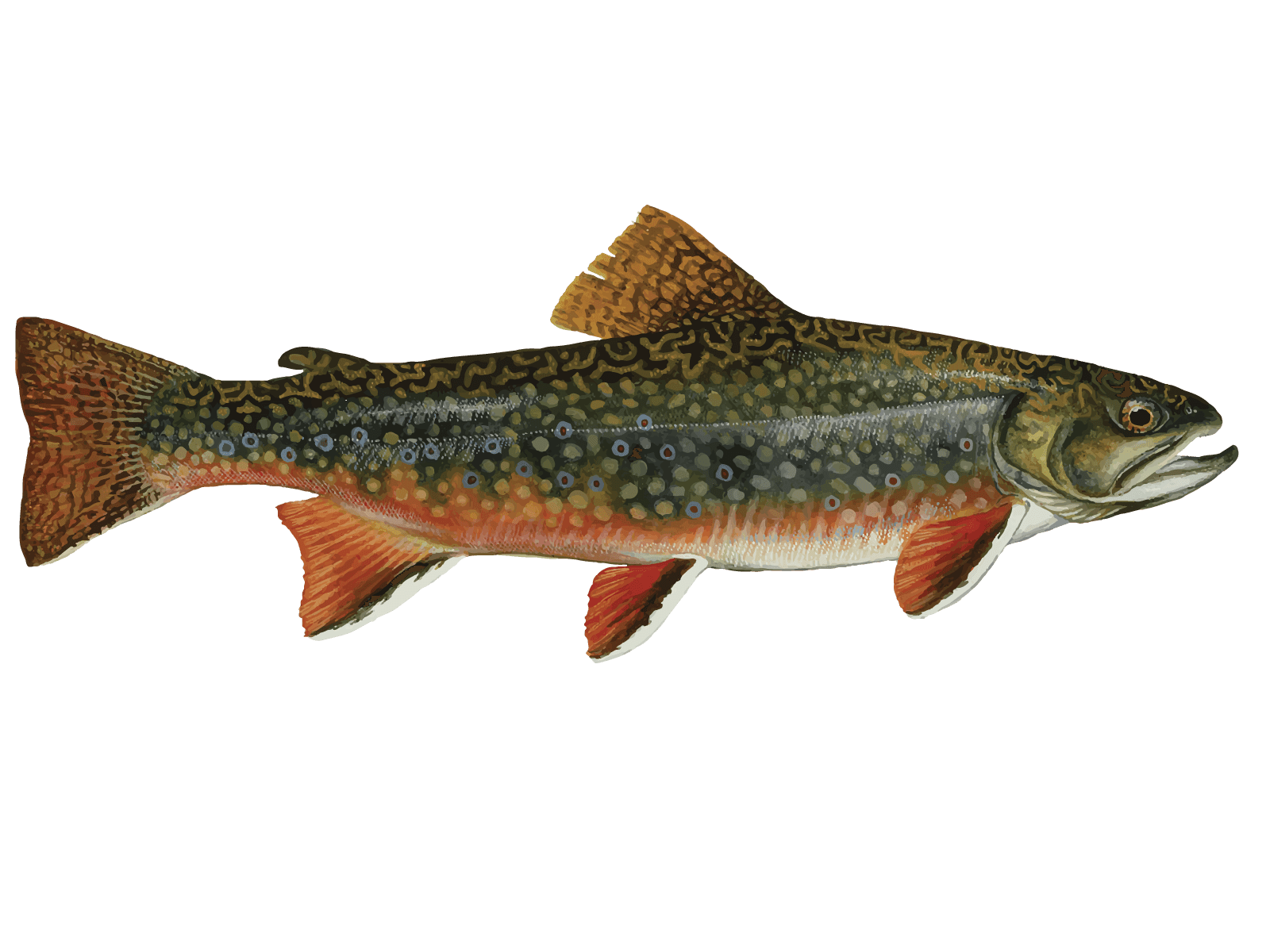
 Brook Trout
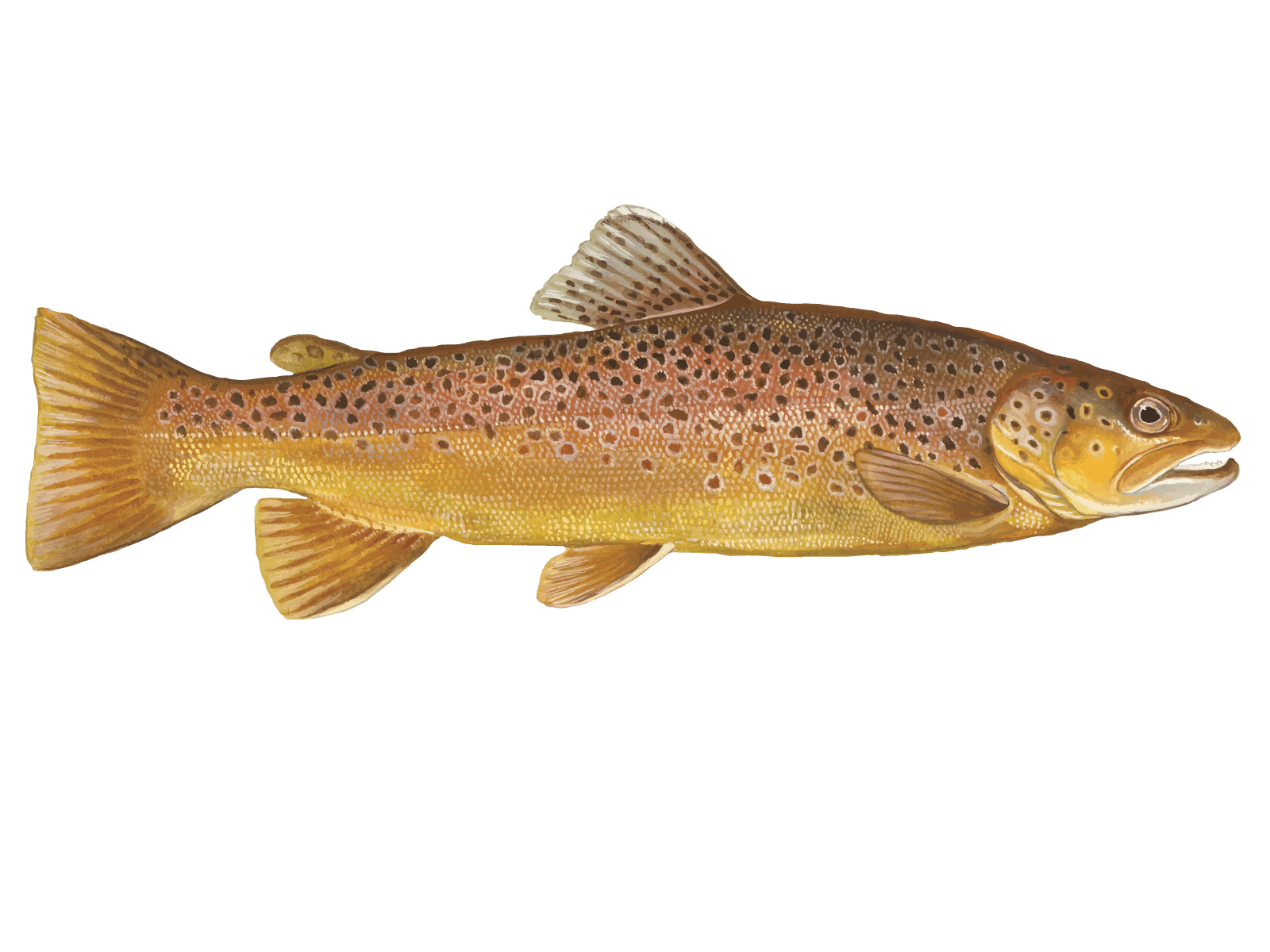
 Brown Trout
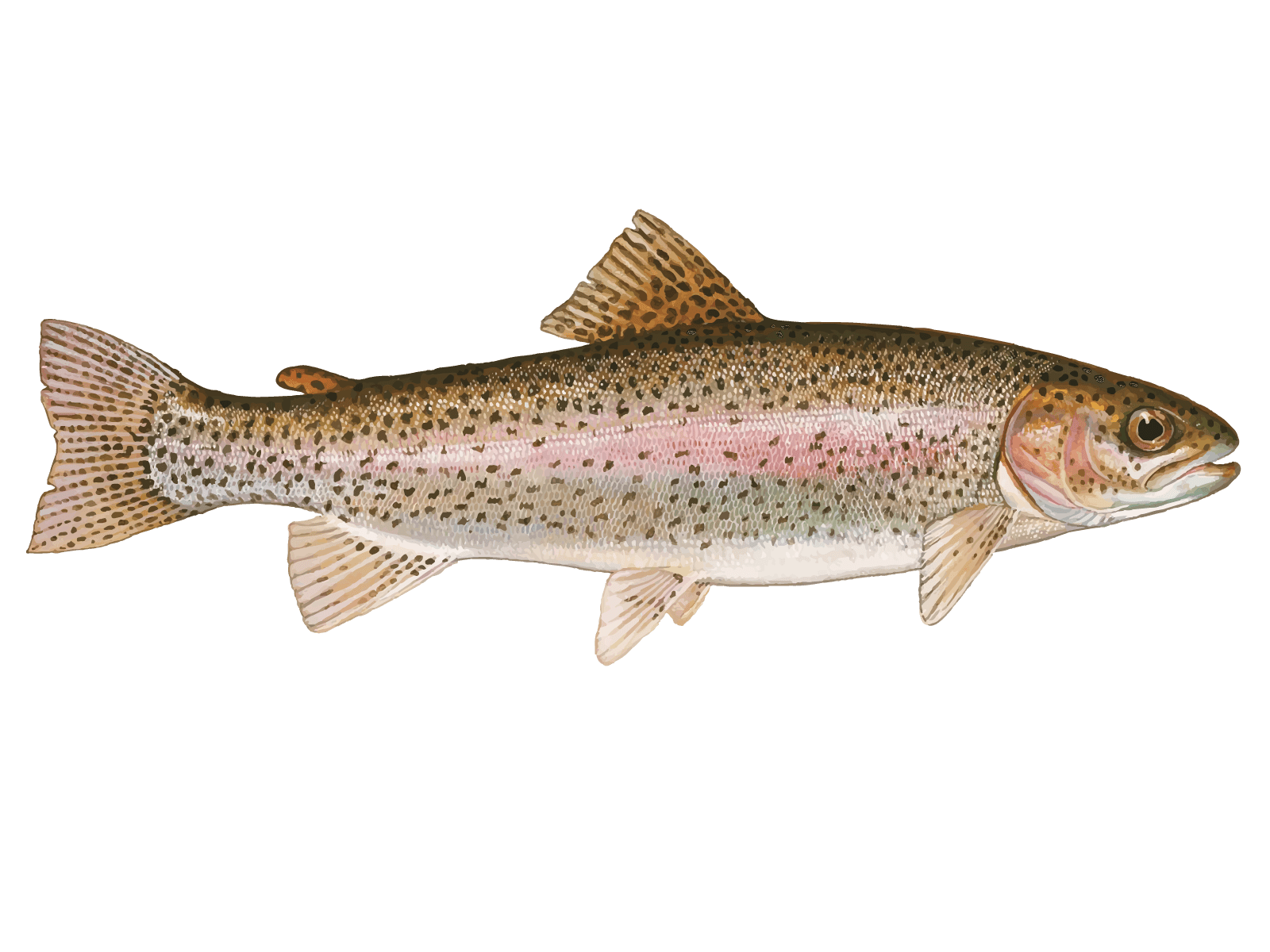
 Rainbow Trout
- Expert-guided trout fishing on Arkansas' pristine White River waters
- Half-day or full-day adventures for two anglers of all skill levels
- Scenic Ozark wilderness setting with crystal-clear waters and towering bluffs
Trip Pricing and Availabilities:
White River Trout: Half or Full-Day Fly Fishing
Ready to chase some of the best trout in Arkansas? Our guided fly fishing trips on the White River are where it's at. We're talking world-class rainbow, brown, and brook trout action in some seriously gorgeous water. Whether you're a seasoned angler or just getting your feet wet, our local guides know every bend and riffle to put you on fish. Grab a buddy and let's hit the river for a half or full day of non-stop trout action.
What's the Deal?
Picture this: You're standing knee-deep in the crystal-clear White River, surrounded by the Ozark Mountains. Your guide's pointing out a big brown trout holding in a deep run. You make the perfect cast, and bam! Fish on. That's what we're all about. Our trips cover the prime spots from Bull Shoals Dam down through miles of productive tailwater. We'll hook you up with all the gear you need, show you the hot flies, and share those local secrets that make the difference between a good day and a great one. And hey, when lunchtime rolls around, we've got you covered with some tasty grub to keep you fueled up.
Casting and Drifting 101
Alright, let's talk technique. On the White, we're usually working with nymphs under an indicator or stripping streamers. But don't worry if that sounds like Greek to you – we'll break it down. We'll show you how to read the water, make a stealthy approach, and present your fly just right. Depending on the conditions, we might be wading or drifting in a boat. Either way, you're in for some serious action. And for you gear heads out there, we're talking 5-6 weight rods, floating lines, and a mix of dry flies, nymphs, and streamers. We've got all the top-notch gear, but feel free to bring your own lucky rod if you've got one.
Why Anglers Can't Get Enough
Let me tell you, once folks fish the White, they're hooked for life. It's not just about the numbers – though we do see some days with 50+ fish to the net. It's the whole package. The scenery is off the charts, with limestone bluffs and thick forests lining the banks. And the fish? They're absolute tanks. We're talking rainbows pushing 20 inches and browns that'll make your knees weak. Plus, there's just something special about the camaraderie on the river. Swapping stories, learning new tricks, and maybe even out-fishing your buddy (bragging rights included).
Trout Trifecta: Meet the Locals
Rainbow Trout: These guys are the bread and butter of the White River. Known for their acrobatic fights and beautiful colors, rainbows are a blast to catch. They're aggressive feeders and will readily take both dry flies and nymphs. Spring and fall are prime time, but honestly, these fish bite year-round. Average size is 12-16 inches, but don't be surprised if you hook into a 20+ incher.
Brown Trout: Now we're talking trophies. The White River is famous for its monster browns. These fish are smart, selective, and can grow to ridiculous sizes. We're talking 30+ inches, folks. They're most active in low light conditions, so early mornings and evenings are your best bet. Fall is particularly good when the big boys get aggressive before spawning. Landing a big brown is the ultimate feather in any angler's cap.
Brook Trout: The jewels of the river. While not as common as rainbows or browns, brookies are a special treat. They're native to the eastern U.S. and were introduced to the White River system. What they lack in size (usually 8-12 inches), they make up for in beauty. Those vibrant red spots and blue halos are something else. Spring and early summer are great times to target these little fighters.
Lock in Your Spot
Look, I could go on all day about the White River, but nothing beats experiencing it firsthand. Whether you've got a half day or a full day to spare, this trip is a must for any angler visiting Arkansas. We've got the knowledge, we've got the spots, and we've got the fish. All we need is you. So what do you say? Ready to make some memories and maybe land that trout of a lifetime? Book your trip now, and let's get you hooked on the White River magic. Trust me, your only regret will be not doing it sooner.
Learn more about the species
Brook Trout
Brook trout are the smallest of our trout species, usually 8-12 inches long. They're real beauties with olive-green backs and distinctive red spots surrounded by blue halos. You'll find them in cold, clear streams and spring-fed ponds, often hiding near fallen logs or undercut banks. These fish are most active in spring and fall when the water's cooler. Anglers love 'em for their gorgeous colors and the challenge of catching them in tight spots. They're also tasty eating fish if you decide to keep a few. When fishing for brookies, try using small flies or lures - they've got small mouths and can be picky eaters. My local tip: focus on the tail ends of pools where the current slows down. That's where they like to hang out and wait for food to drift by.
Brown Trout
Brown trout are the heavyweights of our trout family, often reaching 20 inches or more. They're known for their golden-brown color and black spots. You'll typically find them in deeper pools and runs, especially around structure like boulders or fallen trees. Browns are most active during low light conditions - early morning and late evening are prime times. Anglers prize them for their size and fight - these fish can really put your skills to the test. They're also selective feeders, which makes fooling them with a fly or lure even more rewarding. Fall is the best season for trophy browns as they get aggressive before spawning. If you're after a big one, try using larger streamers or lures that imitate baitfish. Here's a local secret: focus on undercut banks during high water - that's where the big browns often hide.
Rainbow Trout
Rainbows are probably our most popular trout, usually running 12-16 inches. They're easy to spot with that pink stripe along their sides. You'll find them in fast-moving riffles and runs, often near the surface. These fish are active year-round but really turn on during insect hatches in spring and summer. Anglers love rainbows for their acrobatic fights - they'll leap clear out of the water when hooked. They're also less picky eaters than browns or brooks, making them great for beginners. Rainbows are excellent eating fish too if you want to keep a few for dinner. Nymphing is a top technique here on the White River. Try drifting a bead-head nymph under an indicator through likely holding spots. Local tip: pay attention to water releases from Bull Shoals Dam - fishing can be red hot right after a release when the trout get active.
About the Hooked In The Ozarks
%2F%2Fusers%2F1175d6b6-ebdd-47c6-9109-bb140b565d46%2Fvehicle_picture%2Fscreenshot2024-11-26161101.png&w=1920&q=75)
Vehicle Guest Capacity: 4
Manufacturer Name: Yamaha
Maximum Cruising Speed: 22
Number of Engines: 1
Horsepower per Engine: 25